The Craft of Traditional Signwriting
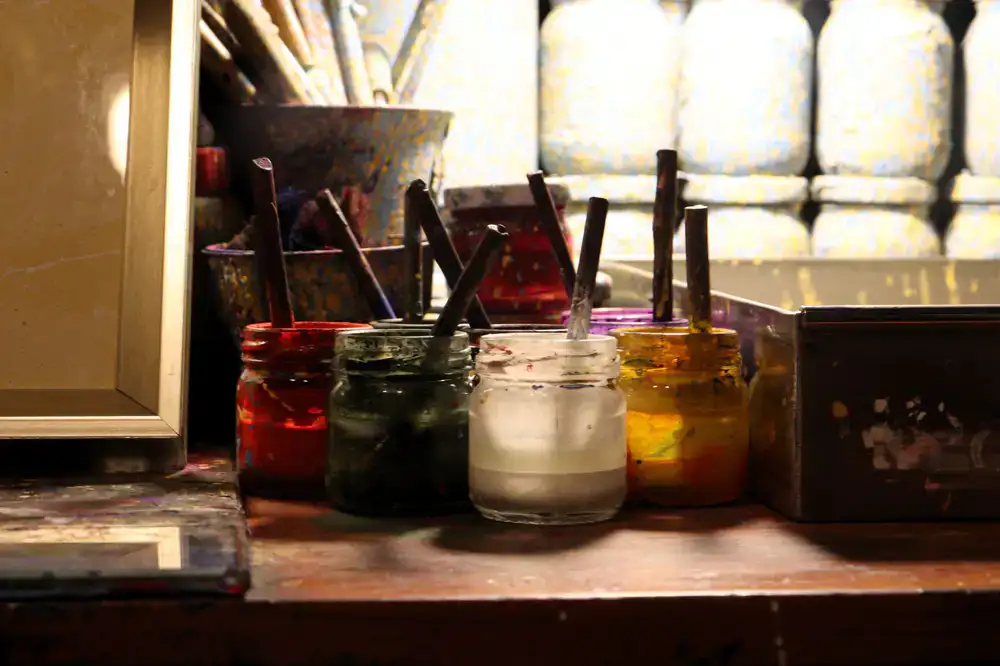
Every letter is drawn by hand, every curve painted with purpose. We reject the vinyl plotter in favor of sable brushes, enamel, and time-honored techniques.
Preserving a quiet trade
Founded in Kilkenny, Brush & Gild was born out of a deep respect for the vanishing art of hand-painted lettering. In an era dominated by mass-produced plastic signage, we saw businesses losing the warmth and character that only a brush can provide.
We spent years studying under master craftsmen, learning the alchemy of oil sizes and the exact pressure required to lay a ribbon of gold leaf. Today, our studio works with independent shops, heritage sites, and discerning business owners to restore dignity to their storefronts.
How we build a sign
Every piece that leaves our studio follows a strict, time-honored progression.
Design & Drafting
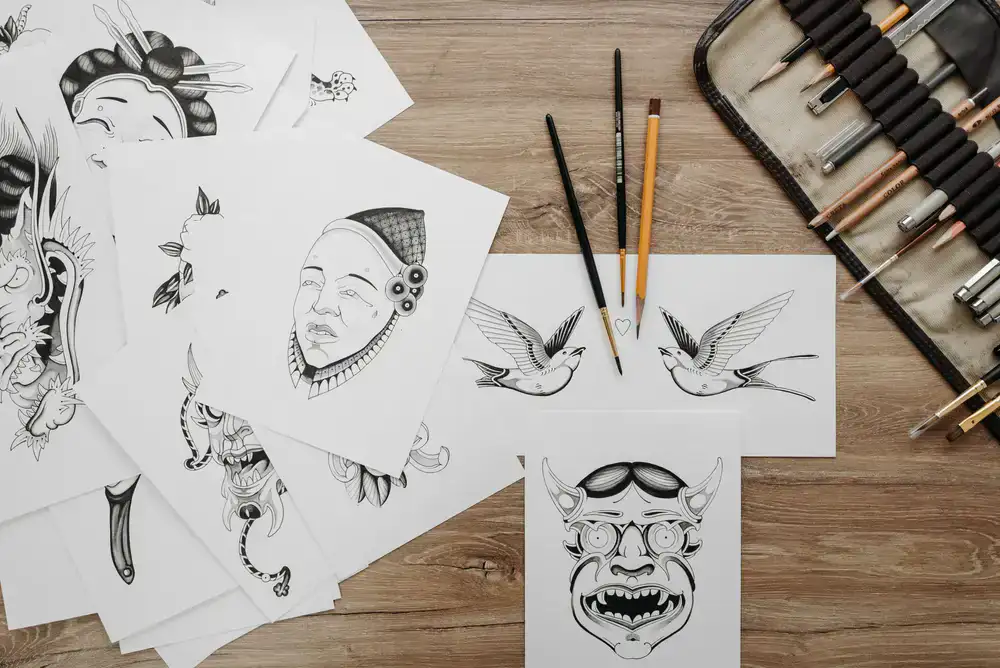
Every project begins with a conversation and a pencil. We draft custom lettering tailored to your brand's voice and architectural context. Once approved, the design is scaled up and transferred to a paper pounce pattern, pricked with tiny holes along the letterform contours.
Surface Preparation
A sign is only as durable as its foundation. Whether we are working on raw timber, primed marine plywood, or exterior glass, we spend considerable time sanding, cleaning, and applying high-quality primers and base coats. A smooth, properly sealed surface ensures the final lettering flows perfectly and endures the weather.
The Painting Process
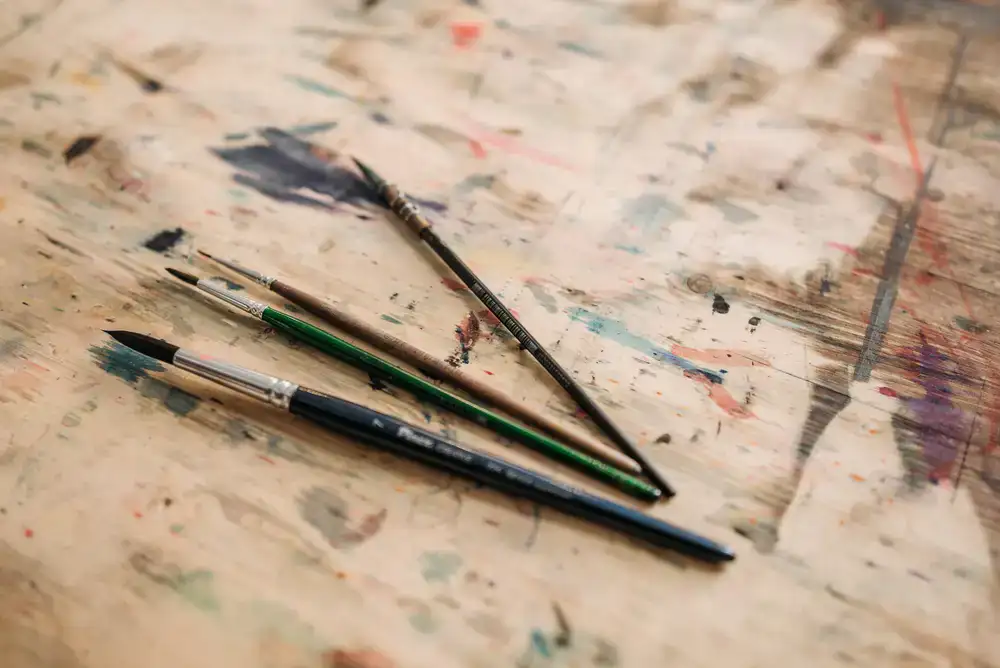
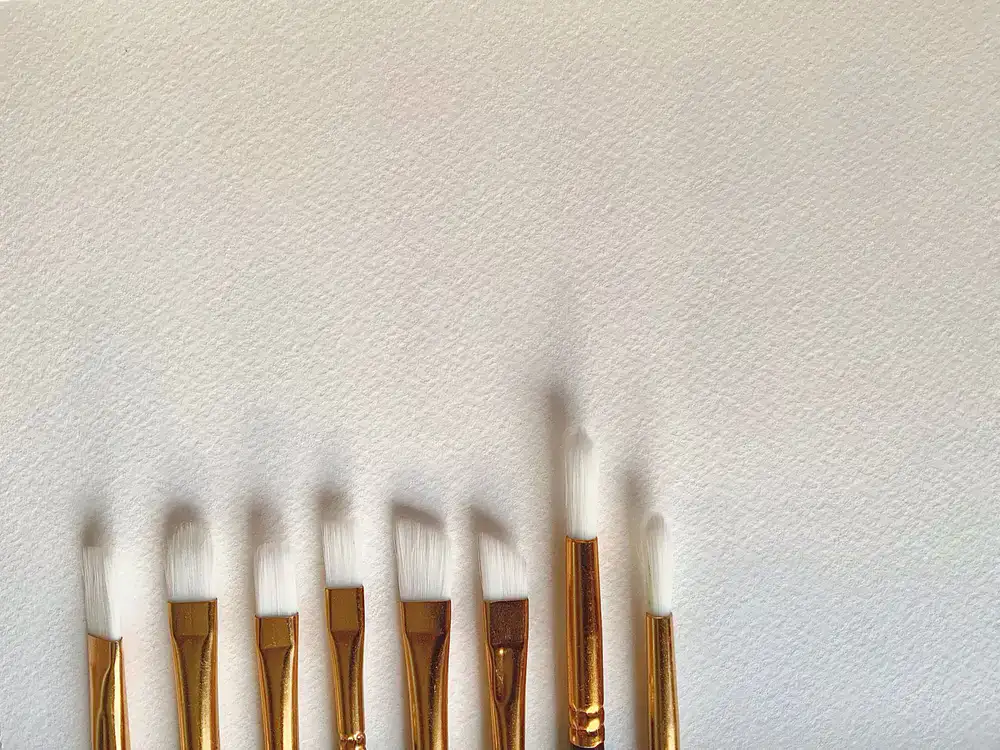
Using a mahlstick to steady the hand, we load a sable lettering quill with one-shot enamel. The paint is laid down in confident, deliberate strokes, filling the pounced outlines. Depending on the complexity, we may add cast shadows, outlines, or dimensional blocks, layering colors over several days.
Built to outlast trends
One-Shot Enamels
We use premium signwriting enamels renowned for their durability, high gloss, and rich pigmentation. Unlike printed vinyl, which inevitably fades, shrinks, and peels under UV exposure, our enamel cures to a resilient shell that withstands the elements and gracefully ages over decades.
23-Karat Gold Leaf
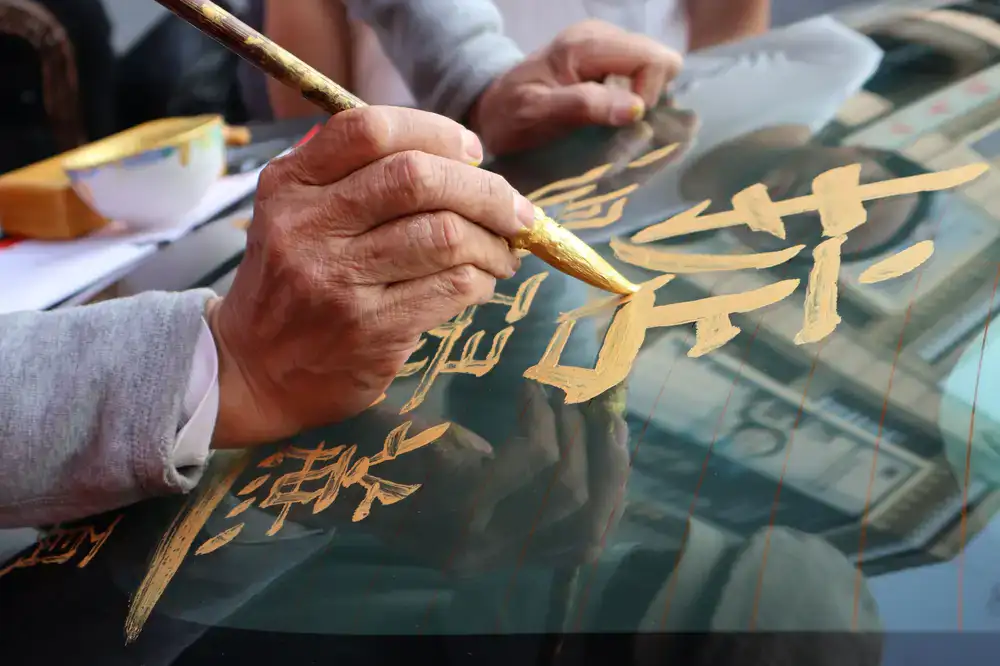
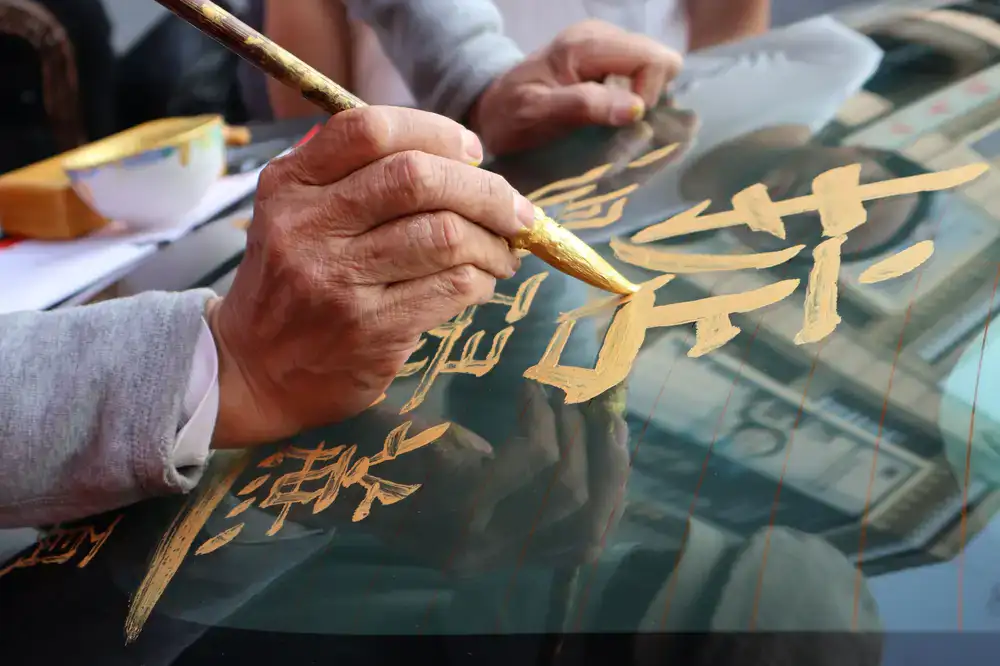
For our gilded projects, we use true 23-karat loose and transfer gold leaf. Applied over a slow-drying oil size, the precious metal bonds permanently to glass or wood, creating a brilliant, reflective finish that catches the light in a way no modern metallic paint can replicate.